Hybrid car finance
Hybrid cars offer environmentally conscious drivers a way to reduce their carbon footprint without sacrificing performance. With the cost of hybrid cars coming down and their popularity on the up, we take a closer look.
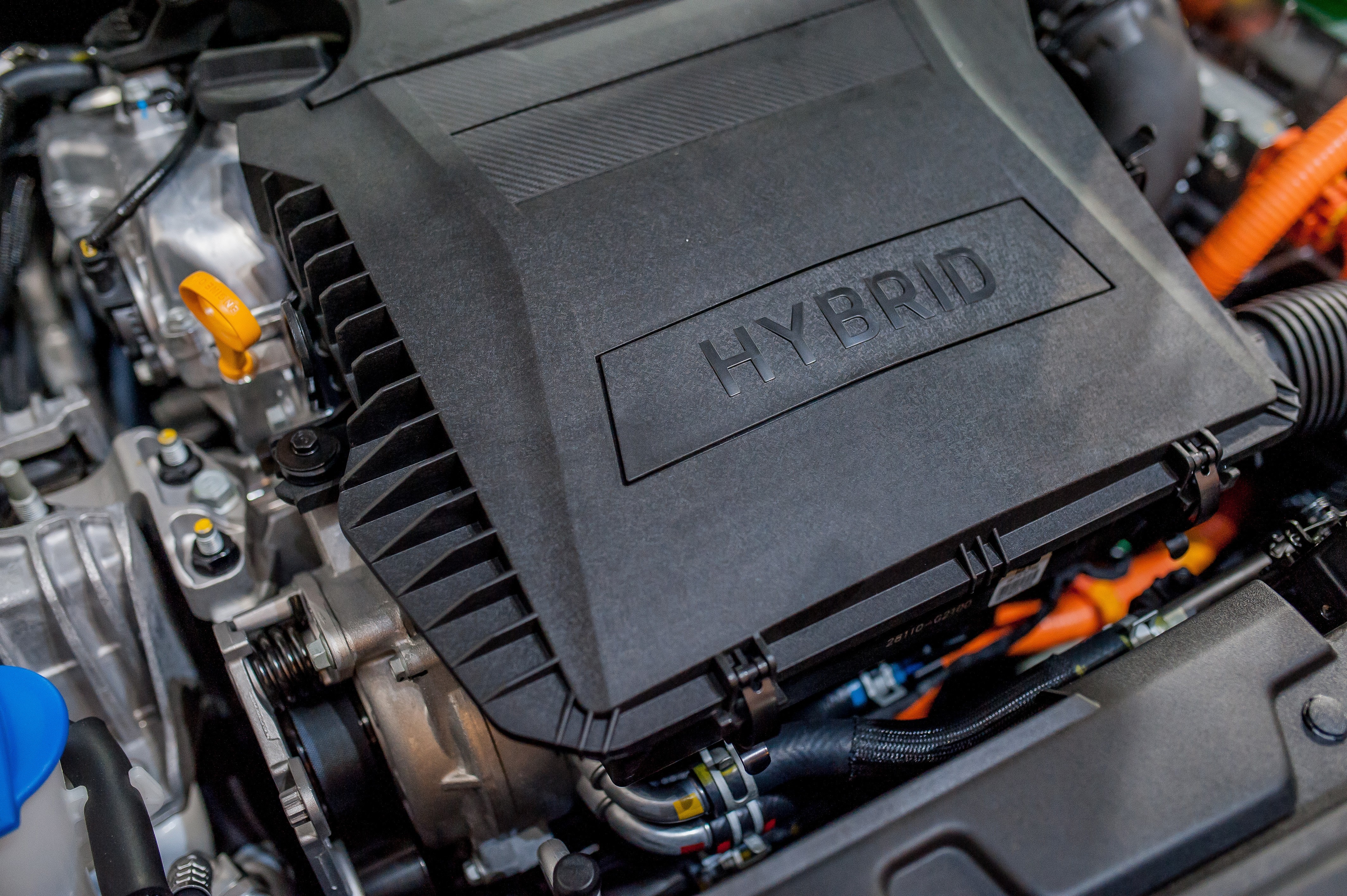
With their many benefits, it’s no wonder that hybrid cars are becoming increasingly popular. Some of the benefits include:
Reduction in emissions
Better gas mileage than traditional gas-powered cars
Often exempt from ULEZ (Ultra Low Emission Zones) charges due to their lower emissions
Battery electric vehicles (BEVs)
Fuel cell electric vehicles (FCEVs)
Extended range electric vehicles (E-REV)
These are powered by electric batteries only; unsurprisingly they have a far bigger range than the battery capacity of hybrid vehicles and they must be plugged into an electric charging point to recharge. The difference between a fully electric vehicle and a plug-in hybrid is that electric cars don’t have a combustion engine at all.


The combination of a battery and an engine results in greater fuel economy and fewer CO2 emissions when compared with a conventional car, without compromising on overall performance. This is the great appeal of the modern hybrid. What might draw you to one over the other boils down to what’s important to you, your driving habits and where you live. For example:
If you live near charging stations or somewhere where you can install a charger, then a PHEV could be a good choice.
If you live in central London where fully electric cars and plug-in hybrids are exempt from the congestion charge this could sway you towards a plug-in.
If you don’t have easy access to electric vehicle charging points, then a full hybrid might suit you better as you won’t have to worry about charging it at all.
To buy outright, hybrids can be more expensive than petrol or diesel cars - but there are plenty of financial incentives to encourage you to switch to a hybrid, including exemption from congestion charges and lower running costs.
Because of their better fuel economy and lower tailpipe CO2 emissions, most CO2 based car tax has traditionally been lower for hybrids than for their petrol/diesel equivalents. However, recent changes to the law mean that hybrid cars now have to pay standard annual rate car tax. See the government’s car tax rate tables for full details.
Hybrid cars are becoming more accessible all the time as manufacturing costs decrease; these cost reductions are quickly passed on to consumers, making them more affordable every year. They are typically less expensive to buy than fully electric cars, which makes them the more affordable ‘greener’ option for many.
The additional power supplied by the electric motor also results in improved fuel efficiency: hybrids don’t rely solely on fossil fuels and therefore release fewer gas emissions, meaning they are more economical and less damaging to the environment than conventional cars.

Whether you're looking at a new or used hybrid, financing is a simple and safe way to spread the cost - just like with traditional petrol or diesel vehicles. While hybrids often have a higher upfront price, especially new models, they typically offer lower running costs. Over time, fuel savings and potential tax benefits can help offset that initial spend.
Hire Purchase (HP)
With hire purchase, you pay off the cost of the car in fixed monthly payments. You won't own the car until the final payment and any additional fees. We offer this through our Dealer Network.

Unsecured Personal Loan
An unsecured personal loan is a way to borrow some or all of the money you need to buy a car, at a fixed rate. You own the vehicle from day one - but approval can require a better credit score.
Personal contract hire (PCH)
When you lease a car, you’re paying for the use of the car without ever owning it. It’s a bit like renting and can be a flexible option, especially if you like changing cars frequently. Monthly costs may be lower in comparison to other finance options, but extra charges can apply, for things like additional mileage or 'excessive wear and tear' fees.

Personal Contract Purchase (PCP)
An option to pay a deposit (normally 10%) and then make fixed monthly payments. You’ll have options to buy or return the car at the end of the contract with a balloon payment. Monthly payments tend to be lower compared to an HP, but there will be a bigger ‘balloon’ payment to pay at the end.
Hybrid car FAQs
Which hybrid vehicles can I finance?
With an unsecured personal loan from Oodle, you can finance all kinds of hybrid vehicles – cars, vans or motorbikes – be they brand new or pre-loved. Whether you’ve got your heart set on a hybrid motorcycle like the good-looking Kawasaki Z E-1, or you’re looking for a hybrid van such as the Ford Ranger Plug-in Hybrid, we’ve got you covered.
To see all your car finance options take a look at our Car Finance Guide.
What is the best type of hybrid to buy?
As with any car, this will depend on your circumstances, your preferences, and your budget. Toyota, Hyundai, Honda, Nissan and Kia are some of the most well-known hybrid brands in the UK today, but all car manufacturers either offer electric vehicles in some form or are in the process of developing them – and the technology is improving all the time.
Are hybrids good for long distance driving?
Yes! If the car is fully charged and the tank is full, a hybrid is a great way to travel longer distances. However, hybrids really excel at city driving; as they run optimally at 50mph or less. For motorway driving, they may rely more on the petrol engine. Before setting off on a long trip, it’s a good idea to plan your route and check for petrol stations and charging points along the way to stay prepared.
How long do hybrid cars last?
Most hybrid car batteries will last between 80,000 and 100,000 miles before you’ll need to replace them. With the right maintenance and care, some could last over 150,000 miles. As with any car, the lifespan of the battery will depend to a great extent on how you drive.
Hybrid cars are highly likely to last longer than their petrol/diesel counterparts. As hybrids contain both a fuel engine and a rechargeable battery, both are used proportionately less, meaning that the hybrid should outlast any traditional car.
Why buy a hybrid over an electric or regular car?
It won’t be possible to buy a new petrol or diesel car in the UK after 2035. The government has imposed this deadline as part of its plan to cut CO2 emissions. Hybrids occupy a middle ground between traditional high-consumption vehicles and the fully emissions-free, ‘green’ technology of electric cars.
As the government races to improve electric charging infrastructure and the industry continues to refine the tech in fully electric cars to reduce upfront costs, hybrids have become a popular, transitional choice for drivers looking for a greener alternative to combustion engine vehicles.
Do I need a deposit for hybrid car finance?
Depending on your finance agreement you may not have to pay anything upfront for hybrid car finance. Many lenders offer no deposit car finance options to make car ownership more accessible to individuals who may not have a significant upfront payment available. It might, of course, impact which vehicles are available for your budget or for the terms of your agreement.
Can I get hybrid car finance with bad credit?
You don’t necessarily have to have a good credit score to be approved for hybrid car finance – but it helps! Some lenders are willing to help borrowers with a poor credit score, and a few even specialise in poor credit history finance.
So, if your credit score isn’t great, it doesn’t necessarily mean that you won’t be able to finance your car. It just means that you might have to shop around to find the right lender for you. Keep in mind that borrowing with bad credit may come with higher interest rates and monthly payments, so the overall cost of finance could be more.
Be careful though: if you’re struggling to pay off your existing debts it’s always best to get on top of these first before borrowing more. Talk to your lenders to make a plan to get your finances back on track. This will help to improve your credit score.
There are charities and organisations who can offer advice, help and support if you're in difficult circumstances. Find out more here.